
The Himalayas are home to some of India’s most sacred and mysterious pilgrimage trails, and among them, Panch Kedar stands out as a spiritually powerful, mythologically rich, and visually breathtaking journey. Comprising five revered Shiva temples, Kedarnath, Tungnath, Rudranath, Madhyamaheshwar, and Kalpeshwar, the Panch Kedar circuit represents devotion, endurance, and a deep connection with nature. For trekkers, seekers, and Shiva devotees, this journey blends spiritual awakening with Himalayan adventure.
Whether you want to understand its origins, plan your trek, or explore the more accessible Winter Panchkedar Yatra, this guide covers everything.
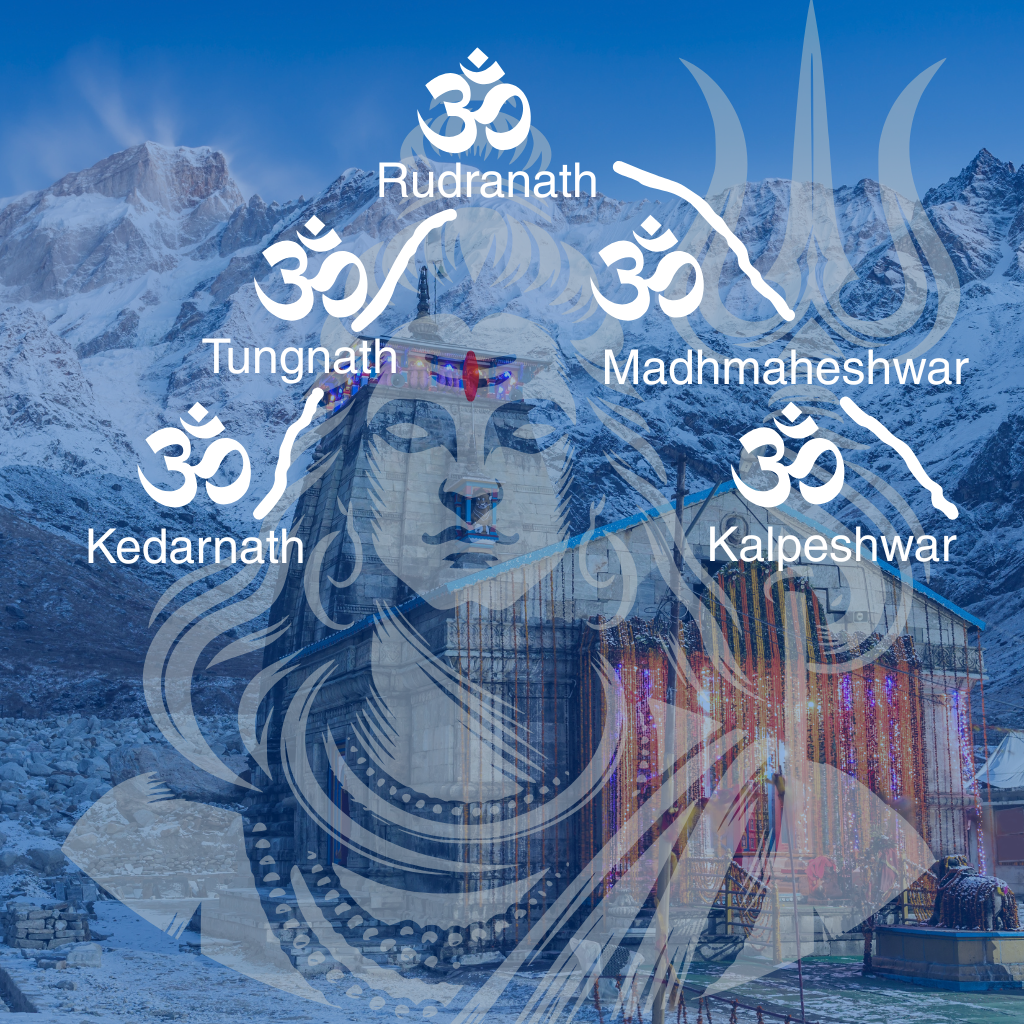
Panch Kedar refers to the five sacred temples of Lord Shiva located in the remote, high-altitude regions of Uttarakhand.
These temples are:
Each location is nestled deep in the Garhwal Himalayas, accessible only by trekking routes. Pilgrims traditionally complete all five temples to finish the Panch Kedar Yatra, which symbolizes devotion, penance, and surrender.
The story of Panch Kedar is rooted in the Mahabharata.
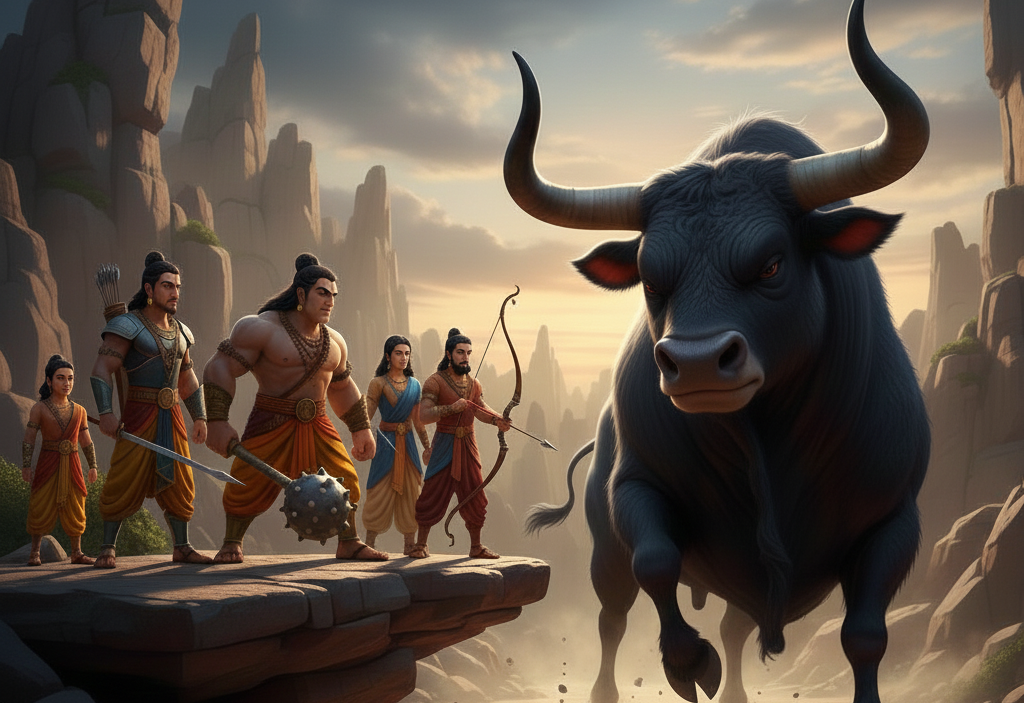
After the Kurukshetra war, the Pandavas were burdened with guilt for killing their kin. To seek forgiveness, they wished to meet Lord Shiva, but Shiva avoided them, displeased by the war’s destruction. He took the form of a bull (Nandi) and hid in the Himalayas.
When the Pandavas finally spotted the bull, Bhima tried to stop it. The bull dove into the ground and vanished, but its body parts emerged at five different locations in the Himalayas. These sites became the five Kedar temples.
Performing the Panch Kedar pilgrimage is believed to absolve sins, purify the soul, and deepen one’s spiritual connection with Shiva.
The traditional Panch Kedar circuit is not an easy trek. It’s a challenging pilgrimage due to:
Most temples sit at elevations between 1,500 m to 3,600+ m, which demands stamina and acclimatization.
These temples are located in rugged Himalayan regions without road connectivity. Trekkers often cover hundreds of kilometres on foot.
The routes include steep climbs, rocky patches, dense forests, and unpredictable weather, especially during monsoon and early winter.
The complete circuit usually takes 15–20 days, making it suitable only for seasoned trekkers or dedicated pilgrims.
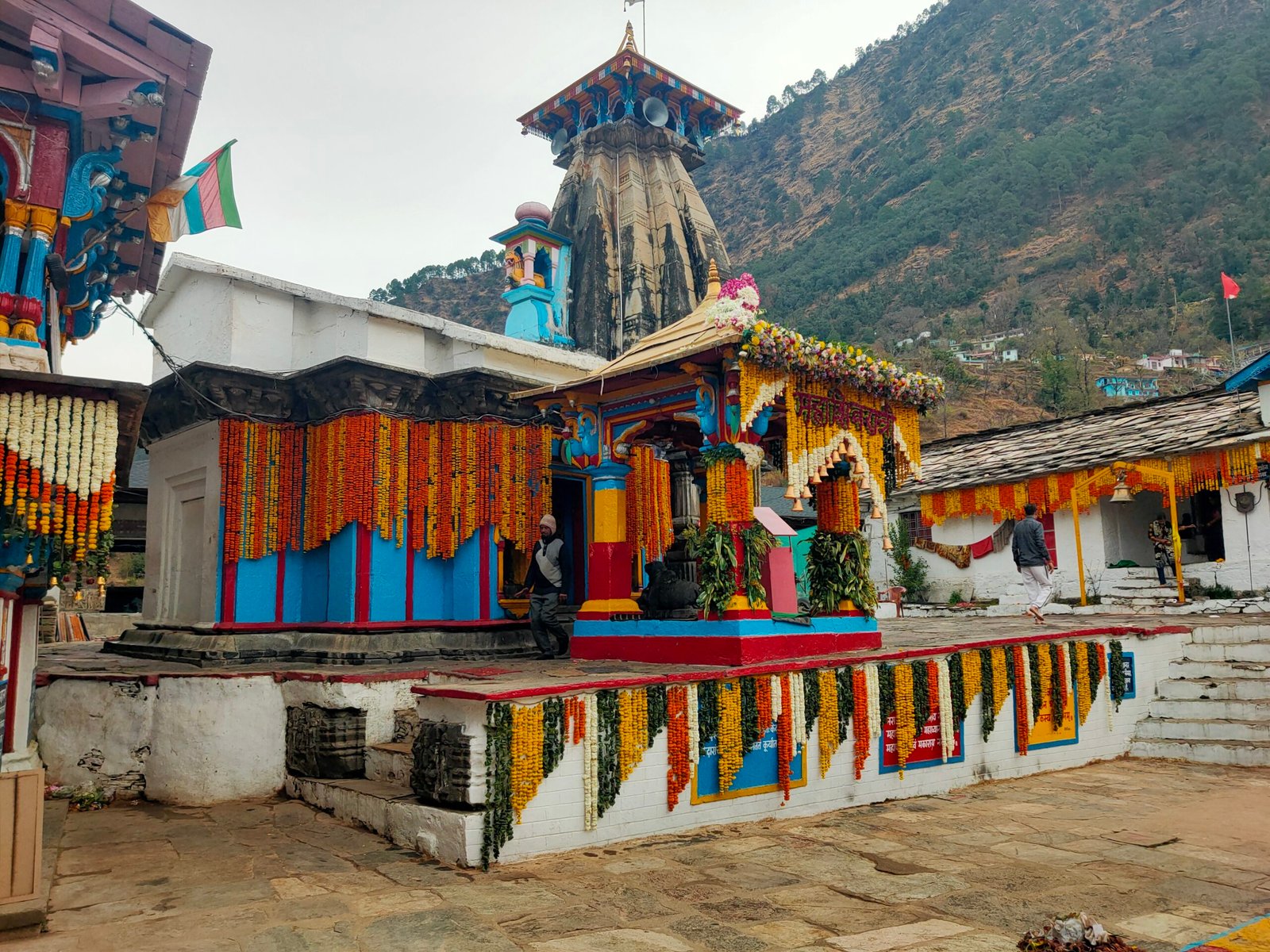
During winters, when heavy snowfall makes the high-altitude temples inaccessible, the Utsav Murtis (festive idols) of Shiva are moved to their winter seats in lower-altitude villages. These locations are warmer, easily reachable, and provide a peaceful devotional atmosphere.
This allows pilgrims to receive the same divine darshan without difficult treks.
These winter locations are surrounded by beautiful Himalayan views, local culture, and warm hospitality, making the pilgrimage spiritually and physically fulfilling.
Here’s where the idols reside during winter:
A serene and spiritually charged village where Lord Kedarnath is worshipped during the winter months.
This ancient temple becomes the winter abode of Lord Tungnath and is easily accessible by road.
Lord Madhyamaheshwar also resides in Omkareshwar Temple during the cold season.
A peaceful town offering comfortable stays and easier access for devotees.
The only Panch Kedar temple open throughout the year, with no long trekking required.
Most winter seats are accessible by motorable routes, eliminating long treks.
Cold but manageable temperatures compared to harsh Himalayan snow zones.
What would take 4 weeks in summer can be completed in 7 days comfortably.
Even elderly devotees who cannot trek can now perform the Panchkedar Yatra.
Winter months see fewer crowds, allowing serene pujas and deeper spiritual experience.
Marked routes, better accommodation, and guided travel make the journey smooth.
Whether you’re drawn to its mythology or its Himalayan charm, Panch Kedar is a pilgrimage like no other. While the traditional route challenges your endurance and devotion, the Winter Panchkedar opens doors for everyone, making this spiritually powerful journey more accessible, comfortable, and enriching.
If you’ve always wanted to begin your year with divine blessings in the Himalayas, the Winter Panchkedar Yatra is the perfect way to experience Shiva’s grace without the physical hardship.

[202401023526 (1569357-M)]
(MOTAC License: L/N/12498)
By MH Global Holidays Sdn. Bhd. in collaboration with Growth Campaigns Marketing Sdn. Bhd.